Starbucks Military Leave Policy — Benefits & Rights for Veteran Partners
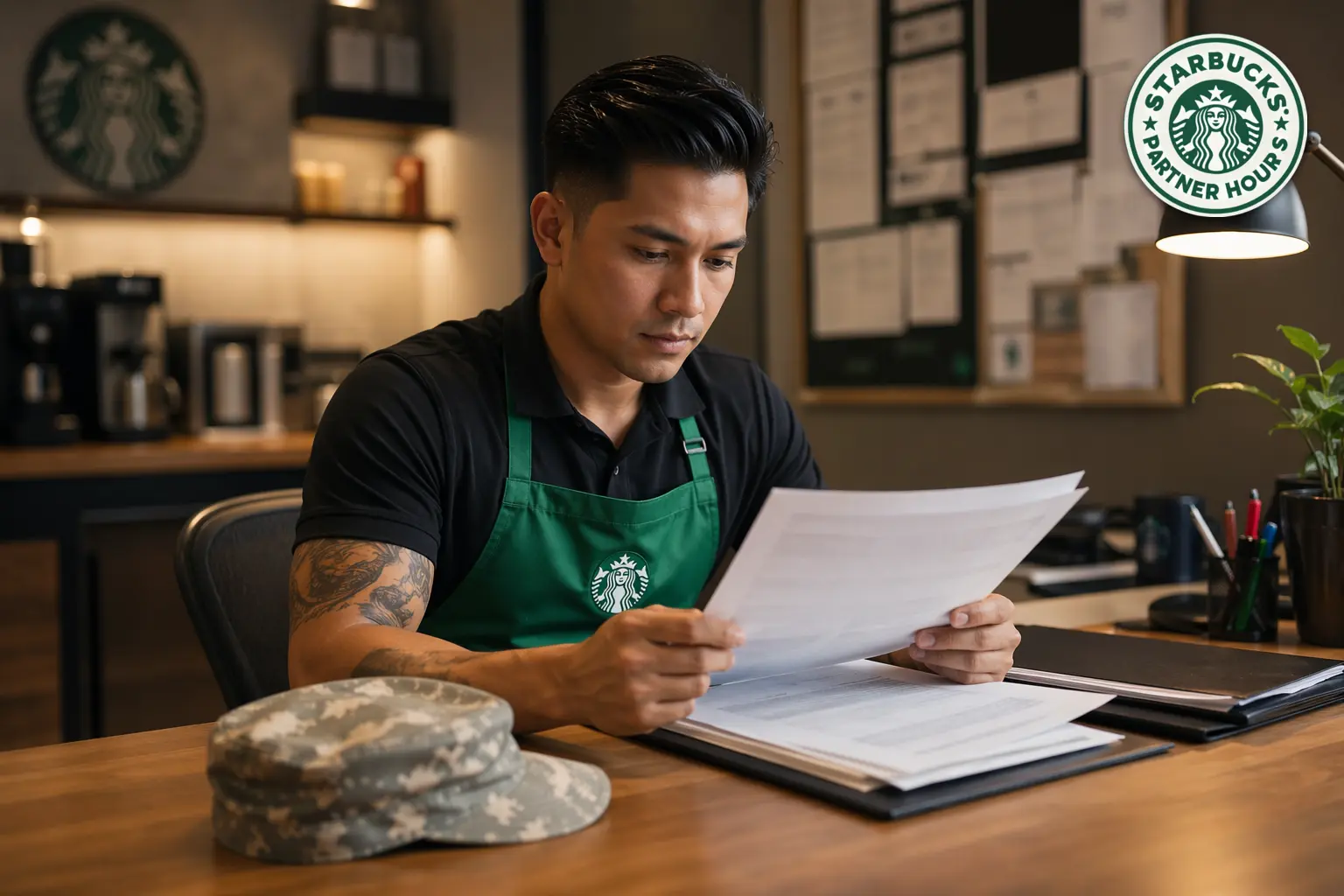
Military leave is one of those topics that feels simple until someone actually needs it. A Starbucks partner may be dealing with reserve duty, active-duty orders, training, deployment, or a return to civilian work, all while trying to figure out what happens to pay, benefits, scheduling, and job protection. That is a lot to carry at once, especially when the answers are split between Starbucks leave procedures and federal law.
That is why the Starbucks military leave policy matters so much. Starbucks does offer military leave through its leave of absence system, but the most important protections often come from USERRA, the federal law that protects service members’ civilian job rights. Once you understand that split, the whole topic becomes much easier to navigate.
What Starbucks Military Leave Usually Means
At the company level, Starbucks includes military leave as one of the leave of absence options available to eligible U.S. partners. That means military-related time away is not supposed to be treated like random missed shifts or a normal scheduling issue. Instead, it should move through the formal leave process so the absence is documented and handled properly.
For partners, that distinction matters a lot. If a military-related absence is handled casually instead of formally, confusion can build fast around scheduling, benefits, and return-to-work rights. Military leave should be treated as a protected leave situation, not as if the partner simply stopped showing up for work.
The Bigger Protection Comes From USERRA
When people talk about military leave rights in civilian jobs, USERRA is usually the law doing the heavy lifting. That stands for the Uniformed Services Employment and Reemployment Rights Act. It protects people who leave civilian work for military service, whether that service is voluntary or involuntary, as long as they meet the legal requirements.
The core idea is straightforward. If you leave your civilian job for qualifying military service, you may have the right to come back to the job and benefits you would have attained if you had not been away. That is the part many partners need to hear clearly, because military leave is not supposed to erase your place in your civilian career.
What Rights Veteran and Service Member Partners Usually Have
The strongest protections usually center on reemployment, anti-discrimination, and benefit continuation. A partner who leaves for military service is generally protected from being denied employment benefits or reemployment just because of that service. The law also protects against retaliation, which matters if a partner has to push back when something is handled incorrectly.
This is where military leave differs from ordinary unpaid time off. A standard leave might depend heavily on employer policy alone, but military leave comes with a separate legal framework. That means Starbucks policy matters, but the federal rights matter even more when questions come up about returning to work, seniority, or treatment during and after service.
The Fastest Way to Understand It
| Military Leave Issue | What Partners Should Usually Expect |
|---|---|
| Leave request | Military leave should go through Starbucks’ formal leave process |
| Job protection | USERRA may protect your right to return if you meet the legal conditions |
| Health coverage | You may have continuation and reinstatement rights during and after service |
| Seniority and status | You may be entitled to the position and growth path you would have reached |
| Discrimination protection | You generally cannot be penalized for past, present, or future military obligations |
That table does not replace the full policy language, but it does capture the big picture. The most important thing to remember is that military leave is not just time away from work. It is time away with legal protections attached to it.
Do Starbucks Partners Need to Give Notice?
In most cases, yes, notice matters. Under USERRA, the employee is generally expected to give advance written or verbal notice of military service unless military necessity makes that impossible or unreasonable. In real life, that means partners should share orders or notice as early as they reasonably can instead of waiting until the last minute.
From a store perspective, that also helps everyone plan better. A military leave request is much easier to handle cleanly when the partner gives timely notice and starts the formal leave process instead of hoping store scheduling alone will cover it. Even when the team is supportive, good documentation still matters.
What Happens to the Job While a Partner Is Away?
This is usually the biggest fear. Most partners are not asking about leave in the abstract. They are asking whether they will still have a job when they come back. Under USERRA, the answer is often yes, but the rule is stronger than many people realize.
The law generally says the returning service member should be restored to the job and benefits they would have attained if they had remained continuously employed. That is often called the escalator principle. In plain English, it means the partner may be entitled not just to the old exact slot, but to the role, status, and seniority path they likely would have reached if military service had not interrupted their civilian work.
Reemployment Rules Matter More Than People Think
Returning to work is not just about showing up and putting the apron back on. USERRA has timing rules around when a service member must report back to work or apply for reemployment after service ends. Those deadlines depend on how long the military service lasted, which is why a partner should never assume the timeline is the same in every case.
This is one of the biggest reasons to stay organized. Keep copies of orders, return paperwork, and communication related to the leave. A smooth return usually depends on being able to show what happened, when the service ended, and when the partner followed the reemployment steps.
What About Health Benefits?
Health coverage is another major concern, especially for partners who rely on Starbucks benefits. Under USERRA, service members generally have the right to elect continued employer-based health plan coverage for a period of military service, up to the legal limit. Even if they do not continue that coverage during service, they usually have reinstatement rights when they return to work.
For Starbucks partners, benefits questions often feel more stressful than the leave itself. That is why it helps to separate two issues. One issue is whether military leave is approved and protected. The other is how benefit coverage, partner contributions, and reinstatement work during the leave and after reemployment. Both matter, and both should be checked directly through the appropriate benefits channels.
Do Military Leave Hours Affect Starbucks Benefits?
This is where Starbucks-specific benefits administration matters. Starbucks tracks approved leave of absence hours in certain benefits contexts, which can matter for partners trying to maintain benefits eligibility. That does not mean every benefit works the same way during a military leave, but it does mean approved leave is not always treated like empty time in the system.
That is why partners should look carefully at benefits eligibility, leave records, and pay statements rather than relying on guesswork. If someone is already dealing with deployment, orders, or transition stress, the last thing they need is a surprise about coverage or eligibility that could have been checked earlier.
Retirement and Longer-Term Benefit Questions
Military leave can also affect longer-term financial questions, especially for partners thinking about retirement savings, vesting, or plan participation. Federal law includes protections around pension and retirement-related treatment for qualifying military service, which is why these issues should not be brushed aside as “something to figure out later.”
For Starbucks partners, that means it is smart to ask direct questions if you are participating in benefits tied to payroll, savings, or service history. The exact details can get technical, but the broader point is simple: military service should not automatically wipe out progress you were building through your civilian employment.
Can Starbucks Deny or Penalize Military Service?
This is another place where federal law matters more than rumor. USERRA generally prohibits employers from denying employment, reemployment, retention, promotion, or benefits because of a person’s military service, military obligation, or intent to serve. It also protects against retaliation.
That protection matters because not every workplace problem shows up as an obvious firing. Sometimes the issue looks more subtle, like being pushed aside, treated differently, denied an opportunity, or discouraged from serving. Those situations can still raise serious concerns. A partner should not assume something is normal just because it was framed casually by management.
How Partners Should Start the Process
The safest move is to start early and stay formal. Starbucks directs partners to apply for leave of absence matters through its leave system, which commonly means using mySedgwick or calling the leave line. Store leadership should know what is happening, but a store conversation alone is not enough to protect everything that needs protecting.
That is the big practical lesson here. Tell the right manager, yes, but also open the official leave request. Keep copies of orders and communication. If the leave will affect benefits, speak with the benefits team too. Military leave becomes much easier to handle when each part of the process is documented from the start.
Helpful Contact Points for Partners
For leave of absence requests, Starbucks points partners to mySedgwick or the leave phone line. For benefits questions, Starbucks also provides support through the Starbucks Benefits Center. Those are often the most useful channels when the issue is bigger than a schedule change and touches coverage, leave status, or return-to-work questions.
This is especially important because military leave can overlap with multiple systems at once. A partner may need store communication, formal leave processing, and benefits clarification all in the same situation. Trying to handle all of that only through the weekly schedule usually creates more confusion, not less.
Common Mistakes Partners Should Avoid
One common mistake is assuming the store manager’s awareness is enough on its own. Support from store leadership matters, but it does not replace the formal leave process or the federal rules attached to military service. If the leave is not properly entered and tracked, problems can show up later around reemployment, benefits, or records.
Another mistake is waiting too long to handle the return. A partner may think there is plenty of time after service ends, but USERRA reemployment deadlines are tied to the length of service. That is why it is better to act early, stay organized, and document everything rather than trying to reconstruct the timeline later.
Why This Policy Matters for Veteran Partners
For veteran partners, reservists, National Guard members, and active service members moving in and out of civilian work, military leave is not a niche issue. It directly affects stability, income, health coverage, career growth, and peace of mind. The whole point of these protections is to make sure service to the country does not unfairly cost someone their civilian job path.
That is why this topic deserves more attention than it usually gets. A partner should not have to choose between honoring military obligations and protecting their Starbucks career. The leave system and federal law are supposed to work together so that service does not become a punishment.
FAQs
Yes, Starbucks includes military leave as part of its leave of absence options for U.S. partners. The exact handling depends on eligibility and the formal leave process.
Yes, many of the strongest protections come from USERRA, the federal law that protects military service members’ civilian employment and reemployment rights.
Often yes, if the partner meets the legal requirements under USERRA. Those protections can include reemployment rights, seniority protections, and restoration to the position the partner would likely have attained.
In general, no. USERRA protects against discrimination and retaliation based on past, present, or future military service obligations.
The safest approach is to notify the appropriate manager, start the formal leave request through Starbucks’ leave process, and keep copies of all military orders and related communication.
Conclusion
The Starbucks military leave policy makes the most sense when you understand that it sits on top of a stronger federal protection system. Starbucks offers military leave through its leave of absence process, but USERRA is usually the law protecting your job, reemployment rights, benefits, and treatment when service begins and when it ends.
For partners, the smartest move is to stay formal, stay organized, and start early. Notify the store, open the official leave request, keep your documents, and ask direct questions about benefits before problems build up. Once that foundation is in place, military leave becomes much easier to handle with confidence. Check Starbucks Social Media Policy